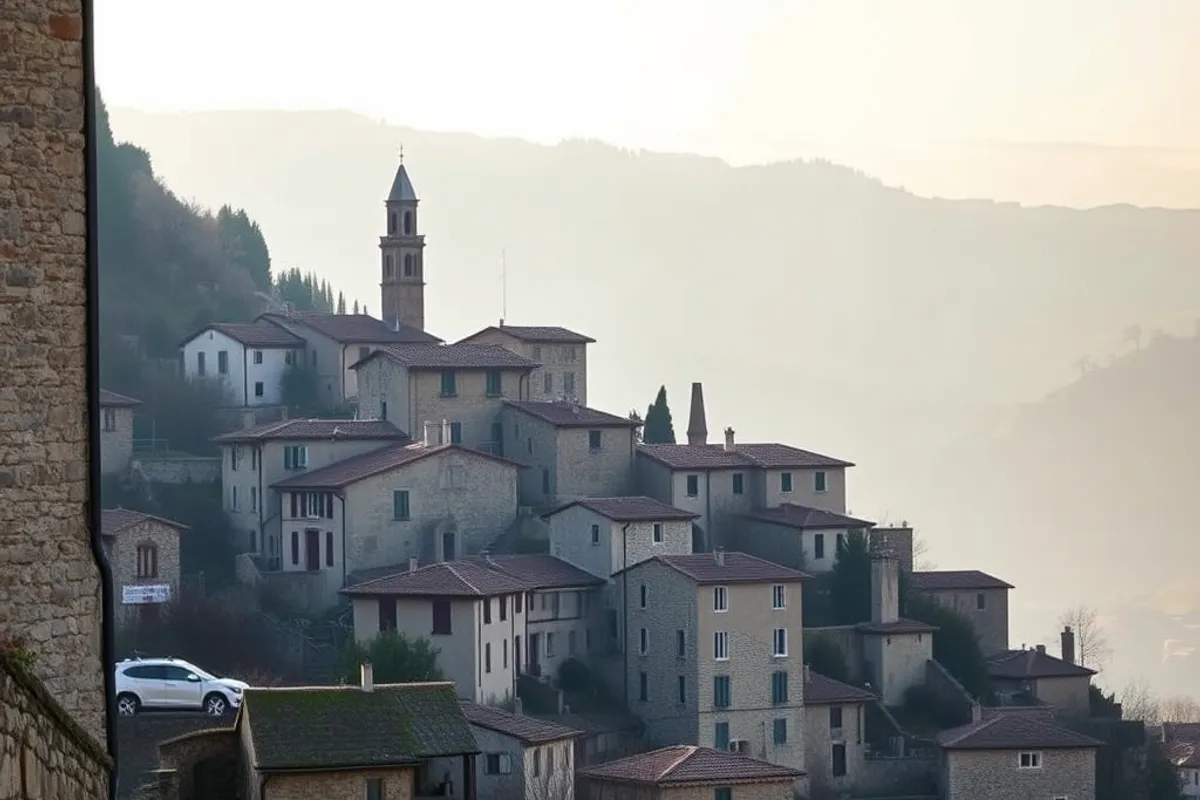
Why the quiet places win in 2026
Overtourism has reshaped how a lot of us plan. The famous squares and the famous islands now ask for timed tickets, and the prices follow the crowds. The reward for looking one town further out is real: better rates, shorter queues and hosts with time to talk. National tourism boards are slowly catching on, and bodies such as UN Tourism now publish regional data that points travellers away from the packed centres.
This guide stays inside Europe, where a slow trip is easy to arrange. If money is the main constraint, pair it with our daily cost breakdown for twenty cities before you book.
How we chose these seven
We looked for places with three things: a genuine reason to visit, a working transport link, and accommodation that a normal budget can reach in the shoulder season. We skipped anywhere already running visitor caps, and we checked every cost against official rail and tourism sites rather than old blog posts. Where a place is seasonal, we say so.
The seven places at a glance
The table below is the short version. Each row is expanded in the sections that follow, with a rough daily spend for two people sharing a room and eating one proper meal out.
| Place | Country | Best months | Daily cost (2 people) |
|---|---|---|---|
| Lake Saimaa | Finland | June to August | 140 to 180 EUR |
| Transylvania | Romania | May, June, September | 90 to 120 EUR |
| Berat | Albania | April, May, October | 80 to 110 EUR |
| Lake Ohrid | North Macedonia | May, June, September | 80 to 110 EUR |
| Molise | Italy | May, June, September | 110 to 150 EUR |
| Alentejo | Portugal | March to June, September | 100 to 140 EUR |
| Asturias | Spain | May, June, September | 110 to 150 EUR |
The best trip is rarely the one everyone else is already booking.
North and east: lakes, forests and a slower ferry
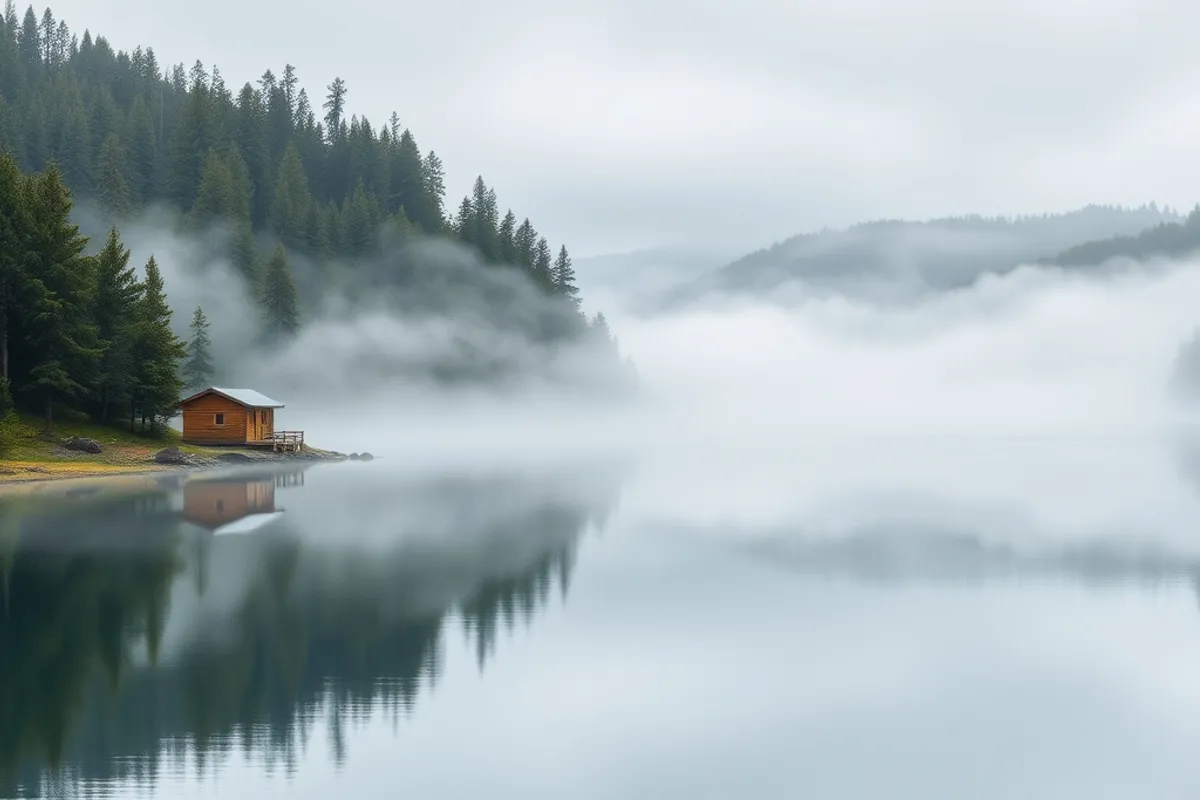
Lake Saimaa in eastern Finland is the largest lake system in the country and still one of its quietest corners. Base yourself in a small town such as Savonlinna, rent a cabin for a few nights, and use the lake ferries as your transport. The reward is long light in June and a genuine pause. Costs run higher than the Balkans because Finnish food and fuel are not cheap, so plan the cabin as the main spend and cook some meals in.
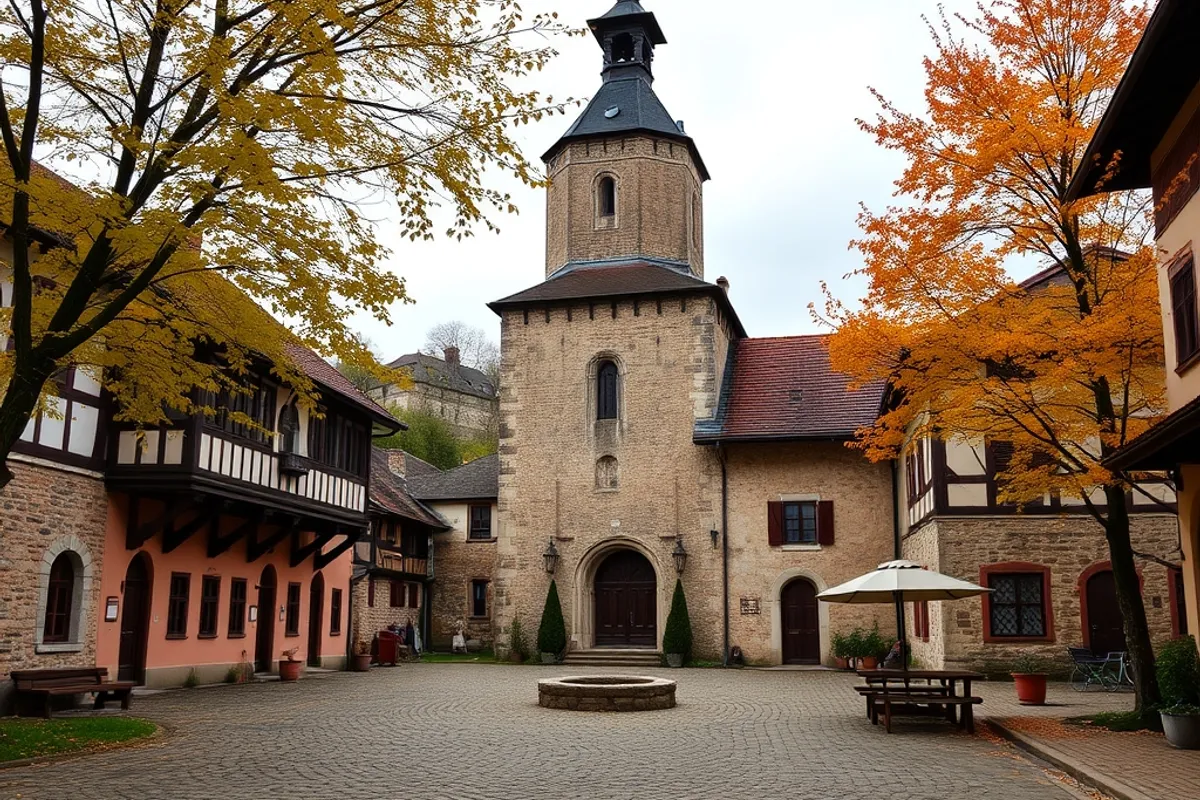
Transylvania has moved past the vampire cliche, but the villages around Sibiu and Sighisoara remain calm. Fortified churches, Saxon towns and hill roads make an easy week by rental car. Prices are the friendliest on this list, and a good guesthouse with breakfast often costs less than a chain hotel in a big city.
The Balkans without the crowds
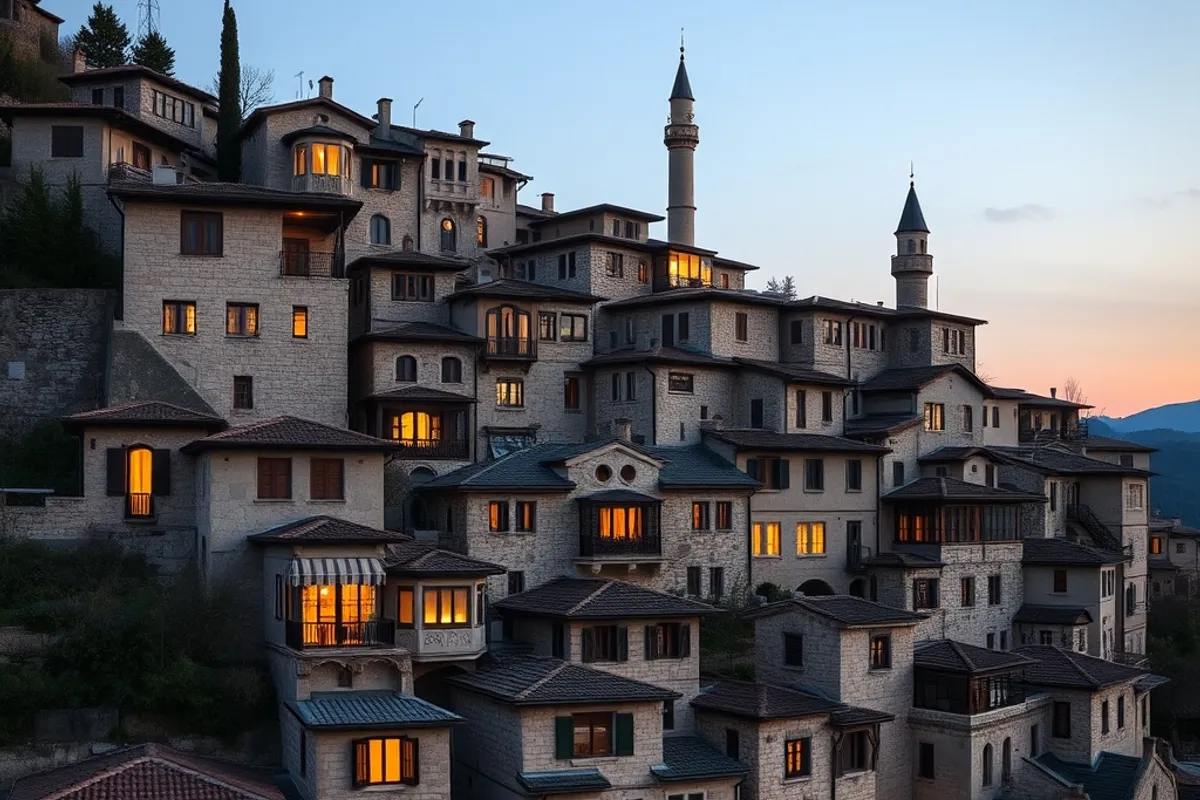
Berat in Albania earns its nickname, the city of a thousand windows, from the stacked Ottoman houses on the hillside. It is a UNESCO site, yet it still feels lived in rather than staged. Go in May or October, walk the old bridge at dusk, and eat at the family restaurants near the river. Albania is the cheapest pick here, and the coast is a short bus ride away if you want sea as well as stone.
Lake Ohrid in North Macedonia is shared with Albania and ringed by churches, a Roman theatre and clear water. The town of Ohrid is the base, and a boat to the springs at St Naum is the classic day out. September keeps the water warm and the streets manageable.
South and west: the shoulder season pays
Molise is the Italian region most Italians forget, which is exactly the point. Hill towns such as Termoli and Isernia sit between mountains and a short Adriatic coast, with truffles, olive oil and almost no queues. Drive, stay in an agriturismo, and accept that the best meals are the small ones with a set menu.
The Alentejo in Portugal spreads between Lisbon and the Spanish border: cork oaks, white-washed towns such as Evora and Marvao, and slow roads. It is best from March to June and again in September. Asturias, on Spain's green north coast, offers rugged beaches, cider houses and the Picos de Europa on the doorstep; it is cool and wet in a way that keeps the summer crowds in the south. You can read more on planning a short version of this in our autumn city break ideas.
What a trip actually costs and when to go
Across all seven, food, a mid-range room and local transport land in the 80 to 180 euro range per day for two people, before flights. The Balkans sit at the bottom, Finland and the Italian coast at the top. Flights are usually cheapest six to ten weeks out on these regional routes; our booking strategy explains the timing.
For each place, aim for May, June, September or early October. You get open ferries and trails, lower room rates, and locals who are not yet worn out by the season. Book the first and last night in advance and leave the middle loose; the whole point of a quiet trip is that it can change as you go.