The case for going slowly in Japan
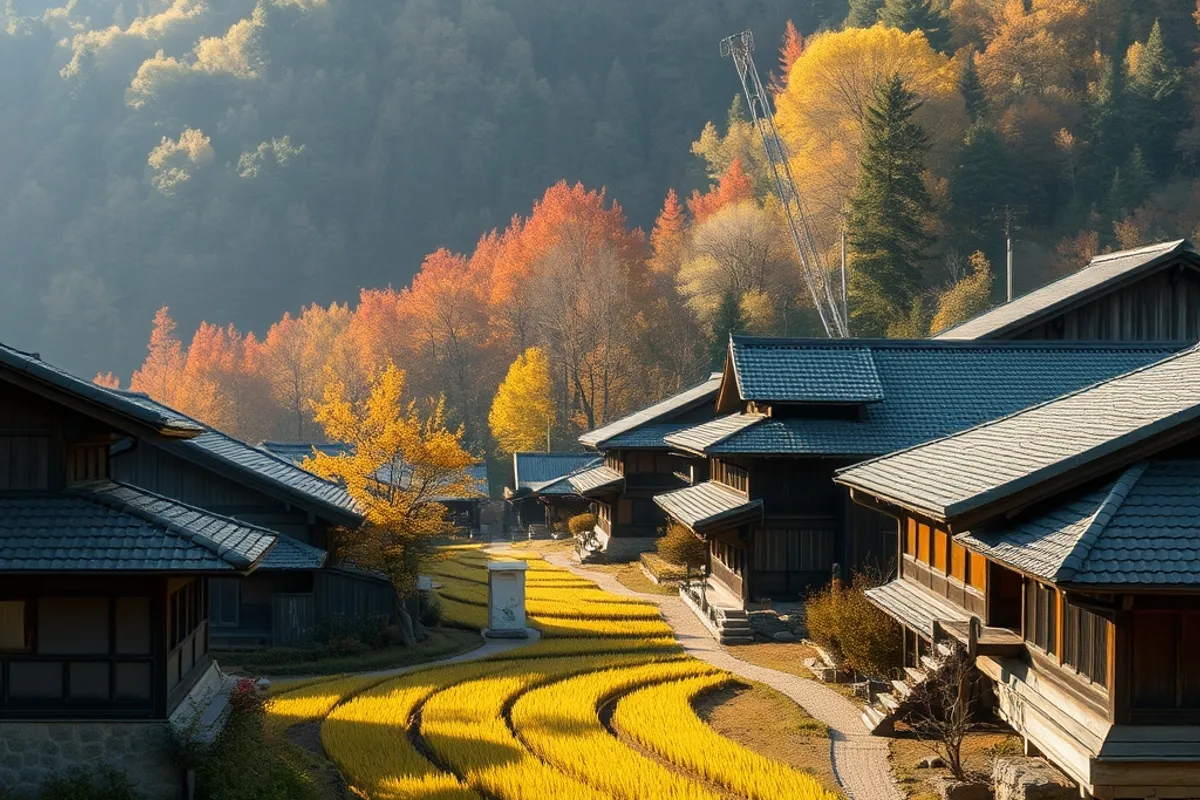
Most first trips to Japan chase the same three cities and end up exhausted. The countryside offers something the cities cannot: space, a slower table, and the chance to talk to people who are not rushing past you. Japan makes this easy because even the smallest village is connected to a punctual, safe network. The national tourism site, Japan Travel, lists rural routes by season, and local tourist offices are genuinely helpful.
The trade-off is frequency. A rural train may run a few times a day, so the skill is not finding a route but building a rhythm around the timetable. Done well, it is the most restful way to see the country.
How to plan a rural route
Pick two or three valleys rather than ten stops. Sleep in the villages, not in the nearest city, and move every three or four nights. A regional rail pass covers the long legs, while local buses handle the last stretch into the mountains. Book the popular ryokan two to three months out, especially in autumn, and keep one flexible night in case a bus is full.
Carry cash. Many small shops and some family guesthouses still take only yen, and rural ATMs run dry in the evening. Baggage forwarding between towns is cheap and turns a travel day into a walk.
The Kiso Valley: walking the old post towns
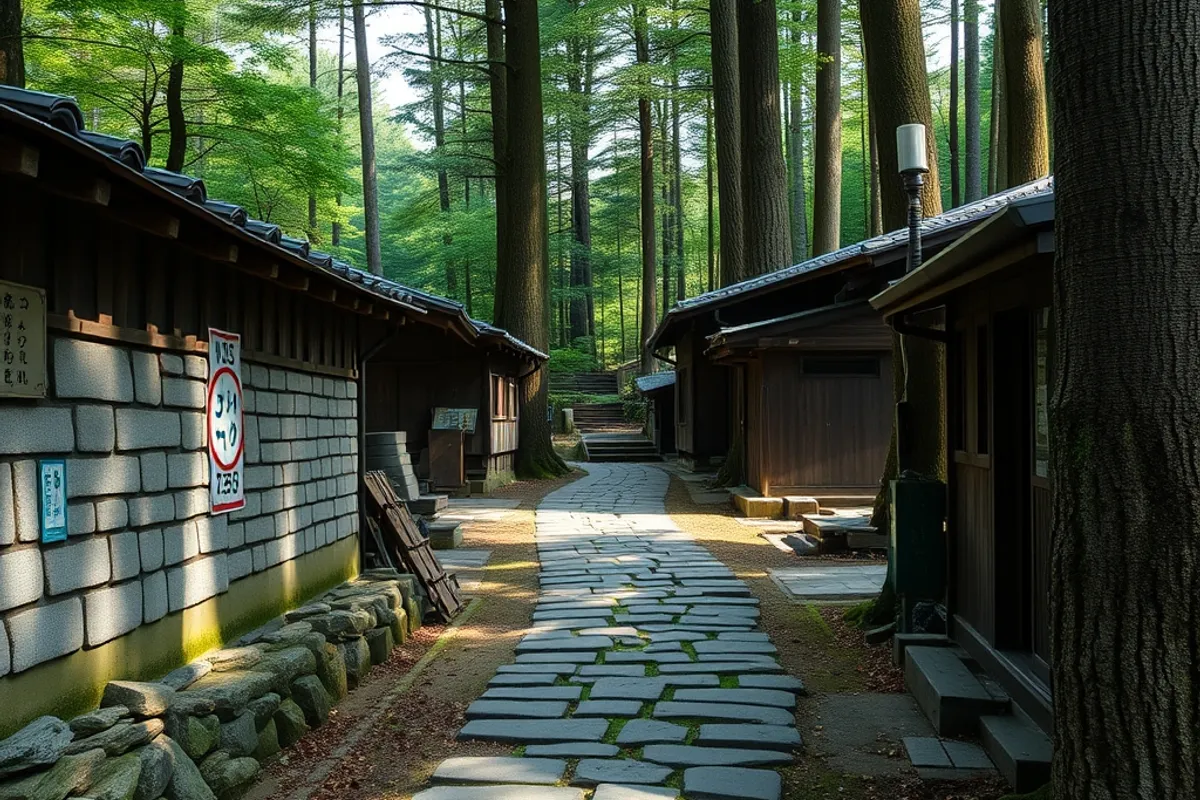
The Kiso Valley follows a former highway between Kyoto and Edo, and its post towns of Magome and Tsumago are linked by a well-marked walking trail through forest. The path takes about three hours at an easy pace, and you can send your bag ahead so you carry only water and a camera. Stay a night in Tsumago, where the streets are lit by lanterns and the guesthouses serve local soba and river fish.
Reach the valley by train to Nakatsugawa, then a bus uphill to Magome. Trains are infrequent but reliable; check the first and last connections before you commit to the walk.
In the countryside, the timetable is short and the days are long. Plan around both.
Shirakawa-go and the gassho farmhouses
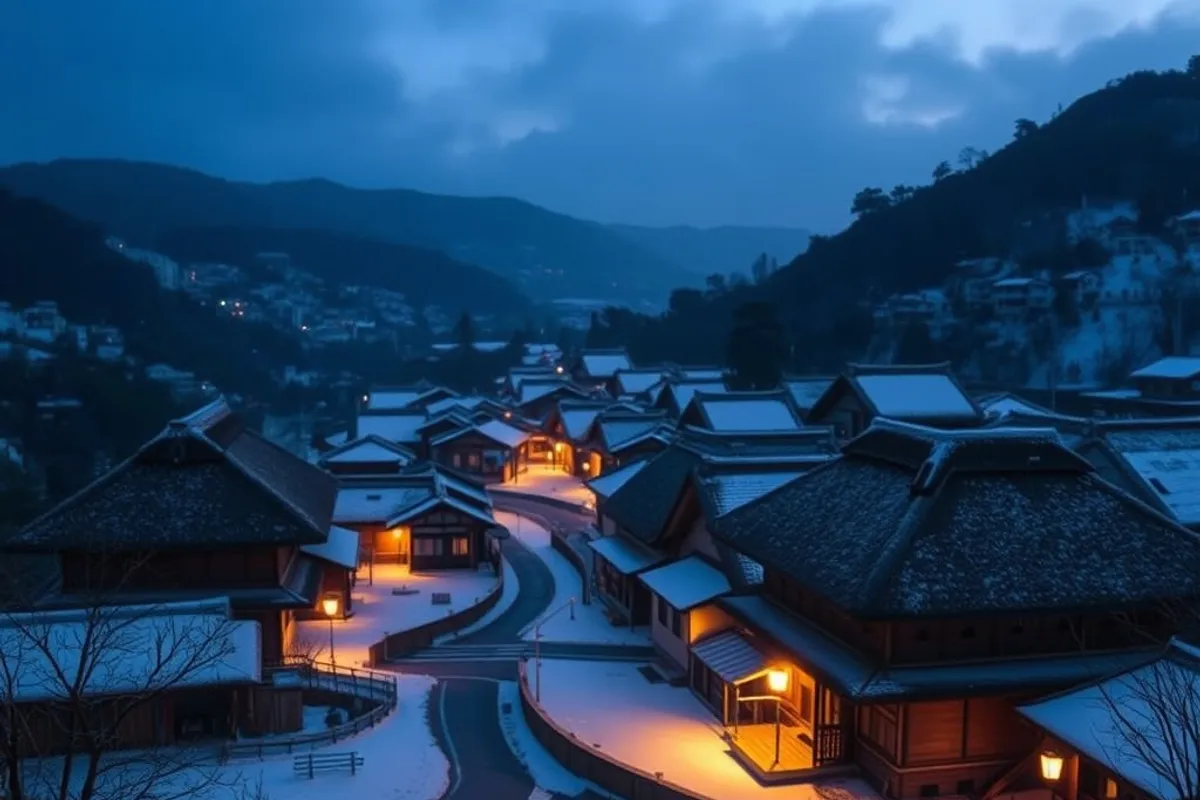
Shirakawa-go is a UNESCO village of steep thatched farmhouses built to shed heavy snow. It is popular in daylight, so the trick is to stay overnight after the day-trippers leave. A few farmhouses take guests, and the evening and early morning are when the place feels like a village again. Winter light on the thatch is the image everyone wants, but autumn colour is quieter and easier to book.
Buses run from Takayama and Kanazawa. Reserve both the bus and the accommodation, because the village is small and fills quickly in peak weeks.
The Noto Peninsula: coast, salt and slow roads
The Noto Peninsula on the Sea of Japan is a chain of fishing towns, terraced rice fields and a famous salt-making coast. It is best explored by car, which you can rent in Kanazawa, but a local bus also threads the eastern shore. Stop at Wajima for the morning market and at the terraced fields of Shiroyone, then sleep in a small onsen town where dinner is seafood caught that morning.
After the 2024 earthquake, parts of the peninsula have been rebuilding, so check current access before you travel and spend where it helps. The area is worth the detour precisely because it is quiet.
Inland Kyushu: hot springs in the hills
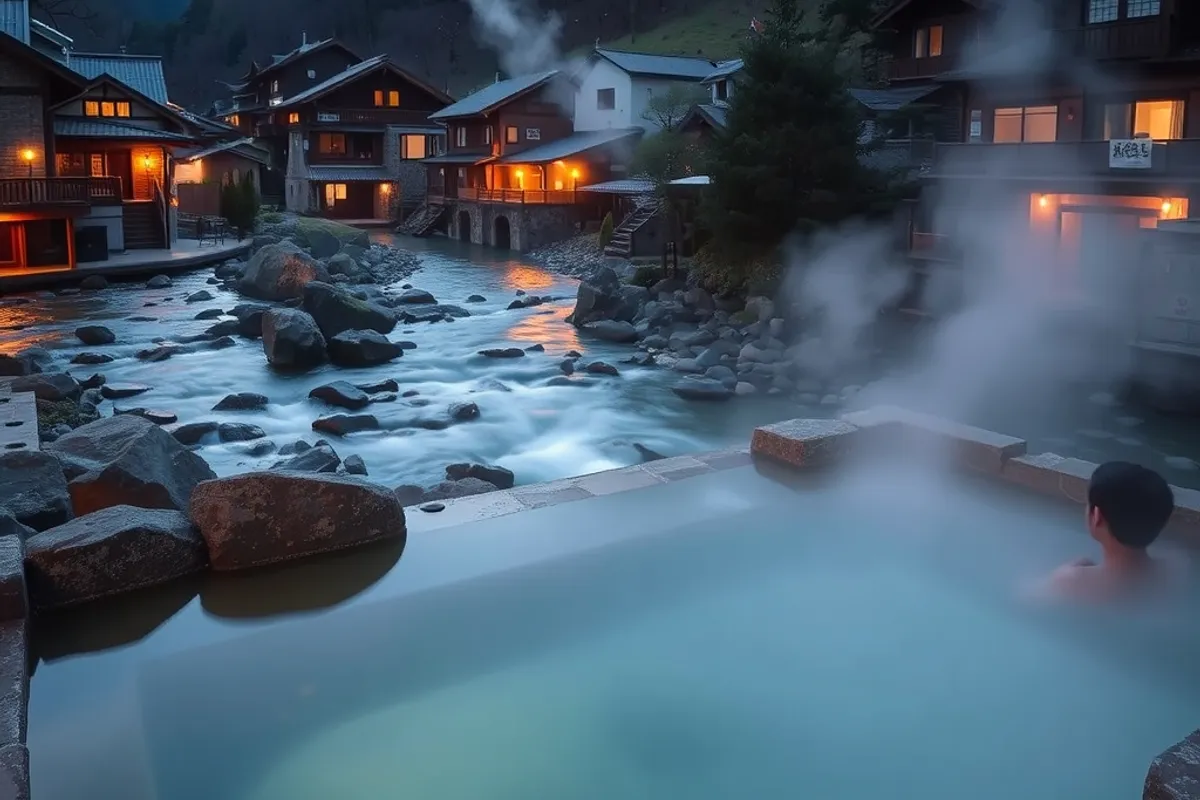
Kyushu rewards anyone willing to leave Fukuoka. The hot spring town of Kurokawa sits in the hills and is small enough to walk in an hour, with outdoor baths along the river and no neon anywhere. Further south, the Aso region spreads around one of the world's largest calderas, with a rural train that crosses the grassland in a single, memorable hour.
Base in Kurokawa for two nights and take the bus to Aso for a day. Buy a regional pass in Fukuoka, and plan around the bus rather than the train for the last few kilometres.
Costs, timing and a note on manners
A comfortable rural day for one person, including a ryokan bed, two meals and transport, runs from about 150 to 250 euros. Cheaper guesthouses and local eateries cut that roughly in half. Budget shuttle buses and tourist centres take cards, but village shops rarely do.
Spring and autumn are the best windows; winter is beautiful but narrows the buses. Wherever you stay, follow the small rules: remove shoes at the door, do not photograph people without asking, and keep voices low on the train. Slow travel in Japan works because everybody, visitor included, keeps the rhythm. For packing, see our travel gear packing checklist.